Breathwork for anyone who wants to feel calmer, clearer, and more like themselves.
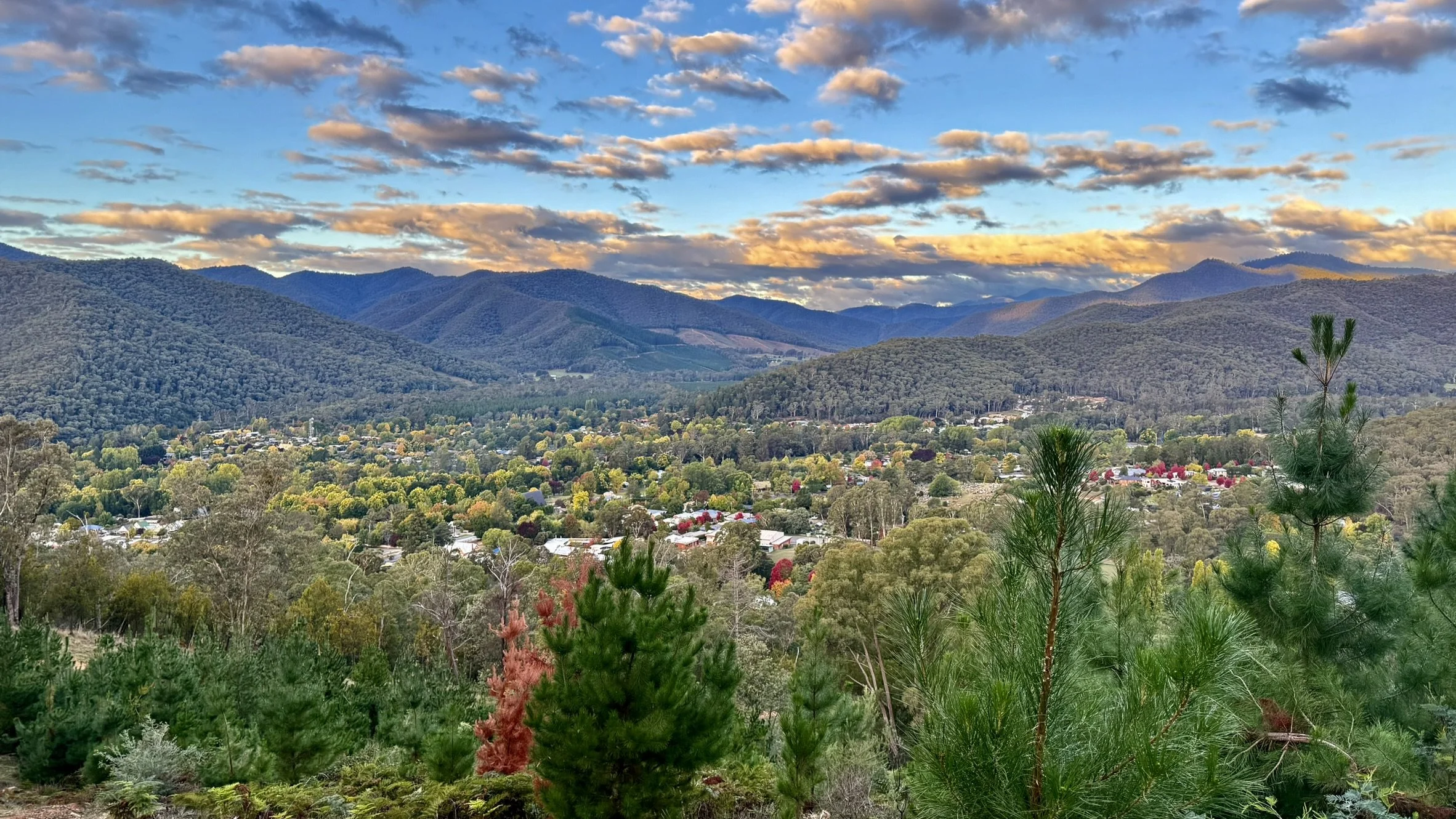
Weekly group sessions in Bright, Victoria.
What is breathwork?
Breathwork is the practice of breathing intentionally — using techniques that directly change how your body and mind feel.
The world around us is modern but our biology is ancient. Your nervous system doesn't know the difference between a stressful email, a difficult conversation, or encountering a snake on a trail run. It fires the same alarm in your body either way — heart rate up, breathing shallow, muscles tense.
The intense moment passes but your baseline shifts. Slowly, quietly — until a level of tension that should feel unusual becomes your normal.
Your breath is a direct line to your nervous system. Breathwork resets your baseline, giving your body and mind the signal to rest and relax.
Most people feel something shift in the first session. What changes over time is that it stops being something you do — and starts being how you are.
People come for different reasons
Some arrive with something specific. Some just have a feeling they can't quite name.
Here's what people often describe:
Stress that won't switch off, even when things are good
A body that feels braced — tense, wired, or never quite relaxed
Sleep that doesn't feel restful
Recovery from training that's slower than it should be
A general sense of running on empty
Pure curiosity — wanting to understand how this works
Whatever brings you — you start where you are.
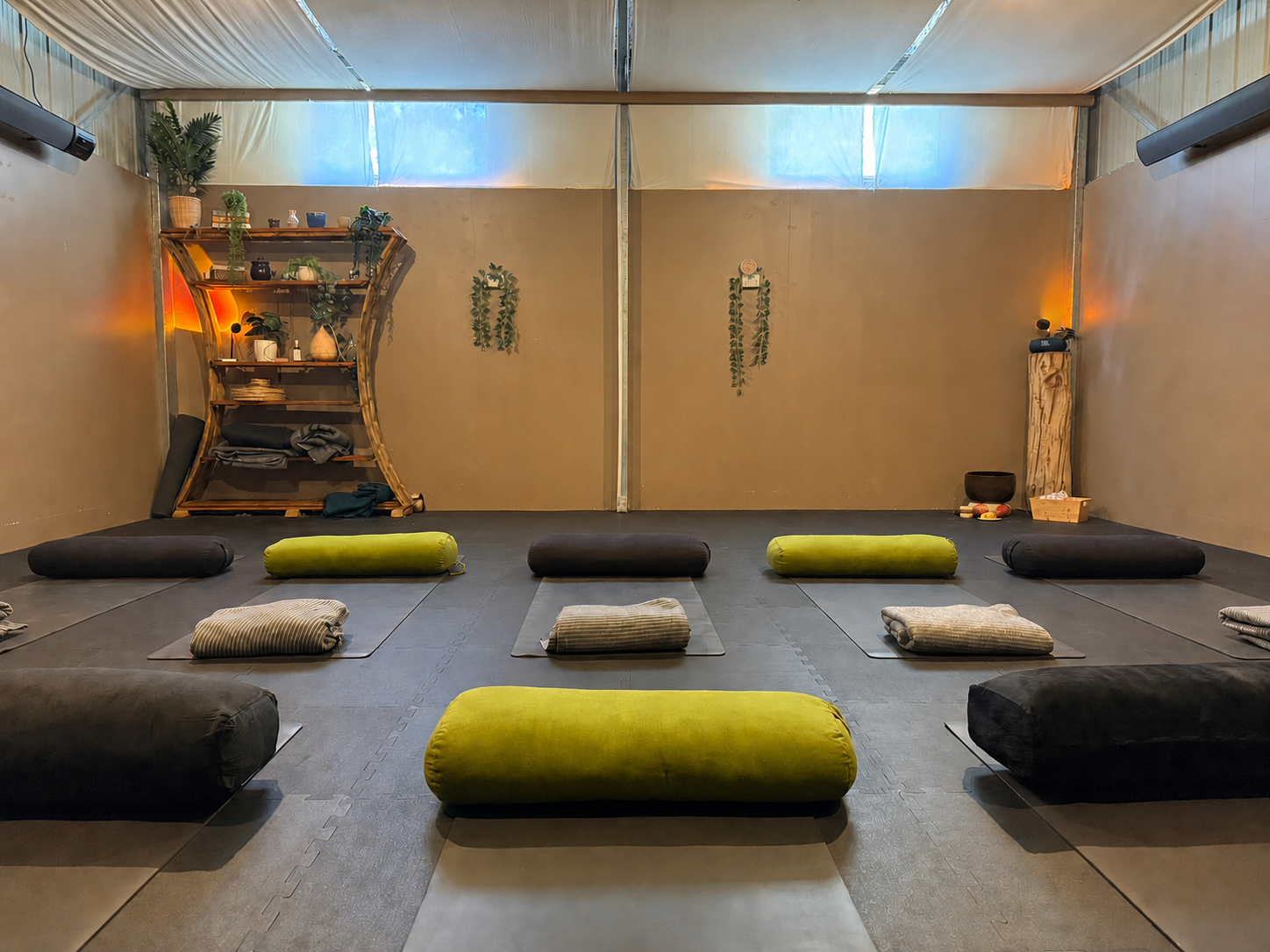
Group breathwork sessions in Bright, Victoria
Each session runs for one hour. I’ll start with a short introduction — what we're doing and why — so nothing feels like a mystery. Then we breathe together, guided through a practice that's designed to shift your nervous system.
Each session is built on principles grounded in neuroscience — designed to create genuine, measurable change in how your body and mind feel.
Afterwards there's time to sit with it. Some people feel deeply relaxed. Some feel energised. Some feel things they weren't expecting. All of it is normal.
No experience needed. Come as you are.
-
A gentle, calming breathwork session — designed to bring your nervous system into a genuine state of rest.
A great place to start if you want to slow down or recover from stress.
Through slower rhythmic breathing you'll move out of the background hum of everyday stress and into deep relaxation. You'll leave feeling still, present, and quietly aware. The kind of calm that's hard to find when you're trying to find it.
Good for: stress, poor sleep, recovery, or anyone who just needs to decompress.
-
A dynamic, energising breathwork session — designed to reset your nervous system, release built-up tension and increase mental clarity.
A great place to start if you find it hard to sit still or switch off a busy mind.
Through rounds of faster active breathing you'll shift out of your overthinking mind and reconnect with your body. You'll leave feeling lighter. Clearer. More yourself.
Good for: an overthinking mind, restlessness, low energy, physical tension, or anyone who wants to feel a shift.
About me
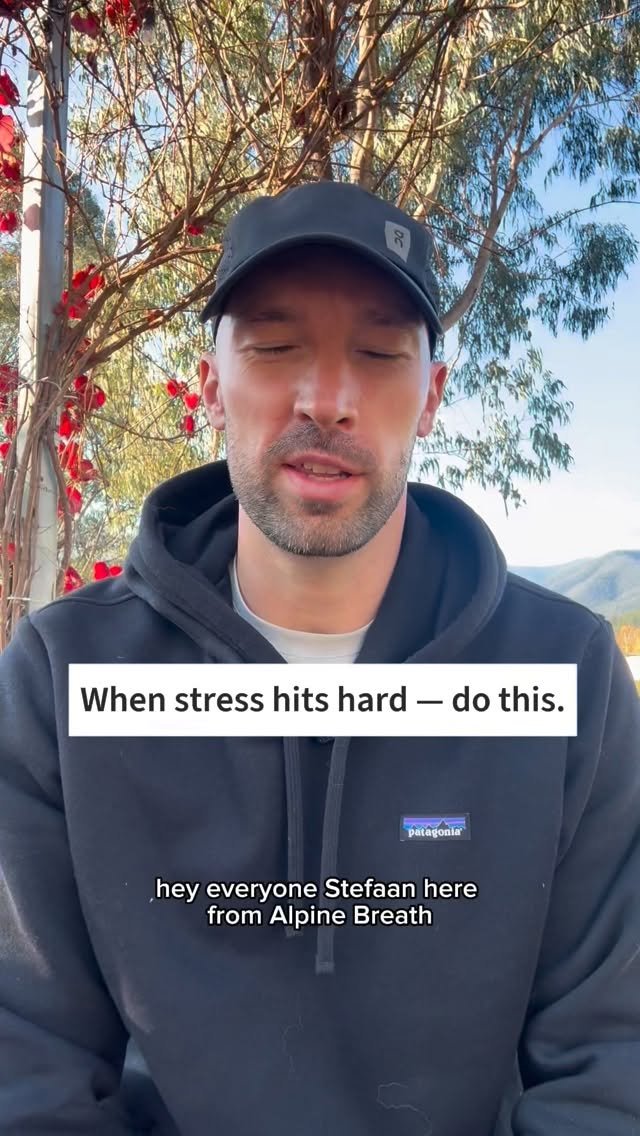
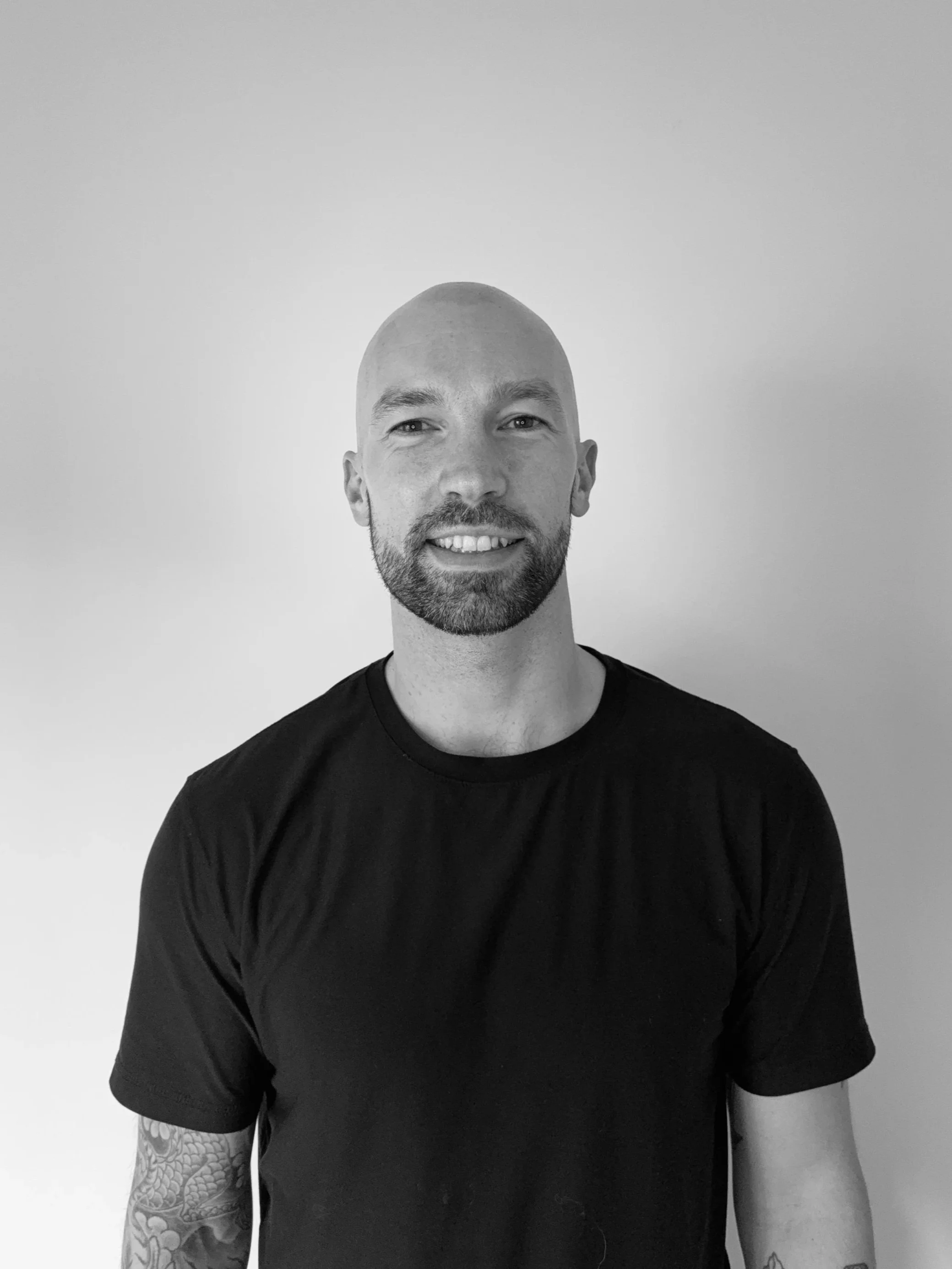
I'm Stefaan. I live in Bright with my wife and dog, and most of my time outside of work is spent mountain biking, hiking or learning something new. I'm drawn to science, to big questions, and love myself a meaningful chat.
I came to breathwork out of curiosity and stayed because of what it did for me — not just physically, but in how I understand myself and how I show up for the people around me. It opened something I didn't know I needed.
I run Alpine Breath because I think more people deserve access to that — whatever it looks like for them.
I have a science degree, years as a personal trainer and powerlifting coach, and a genuine obsession with understanding how the body and mind work. I think it's why I approach breathwork the way I do — practically, with a lot of curiosity, and always asking why something works before I teach it.
FAQs
-
Breathwork is the practice of breathing intentionally — using techniques that directly change how your body and mind feel.
Different techniques have different effects, from deep calm to heightened energy. In a session, you'll be guided through specific patterns designed to shift your nervous system into a different state.
-
Your breath is the one part of your nervous system you can control deliberately — and that makes it a direct line to everything else. When you change how you breathe, you change the signals your body receives. Slow, extended breathing activates your parasympathetic nervous system — your rest and recovery mode. More activating patterns do the opposite, building intensity that creates space for a deeper shift.
The short version: your body responds to your breath in real, measurable ways. Breathwork uses that deliberately.
-
Honestly — yes. I'm obviously biased, but I haven't met someone who wouldn't benefit from some form of breathwork. Whether it's stress, physical tension, poor sleep, or just a general feeling of being overwhelmed or disconnected — most of us are carrying more than we realise.
-
It depends on the session and the person. In a Restore session most people feel deeply relaxed — still, present, and quietly aware. In a Reset session the experience is more active, with a real shift in energy by the end.
Some people feel things they weren't expecting — emotions, physical sensations, or a clarity they haven't felt in a while. All of it is normal, and you'll never be left to navigate it alone. There's always time afterwards to sit with the experience before you head off.
-
I'm a certified breathwork facilitator trained by Johannes Egberts of Breathless. The training covers a broad range of techniques drawn from multiple lineages, with a strong emphasis on nervous system science, session design and trauma informed practice.
I also hold a science degree, which shapes how I engage with the research behind breathwork — and why I care about understanding not just what works, but why.
Before breathwork I spent years in fitness — as a personal trainer, powerlifting coach and competitive ice hockey player. That background informs how I think about the body, recovery and performance, and shapes the way I hold sessions — practical, grounded and evidence-based.
-
Kind of — but not quite. Our Reset session uses similar activating techniques — if you've tried Wim Hof and enjoyed it, Reset will feel familiar. Restore takes a different approach, focusing primarily on slower breathing patterns for deep relaxation and down-regulation.
Where our sessions differ is in the full arc of the experience. Alpine Breath sessions draw on a broader range of techniques, build gradually and always include time at the end to integrate and let your nervous system complete the cycle into rest and recovery — whether you're doing the cold exposure or not. That's where a lot of the lasting change happens.
-
There's overlap — both work with your nervous system and both benefit from regular practice. But breathwork is more active. Rather than trying to quiet your mind, you give your body something specific to do. Most people find it easier to stay present because the breath gives you something to follow.
Breathwork also tends to produce results faster. You don't need to sit still, clear your mind, or believe anything in particular. Some people come to breathwork after struggling with meditation. Others use both — they complement each other well.
Get in touch
Not sure if this is right for you, or just have a question before you book? Call me on 0439 566 193 or send a message and I'll get back to you.
Stay up to date on socials